
Rinki and Veloop are piloting a new type of mobile monitoring solution for recycling points
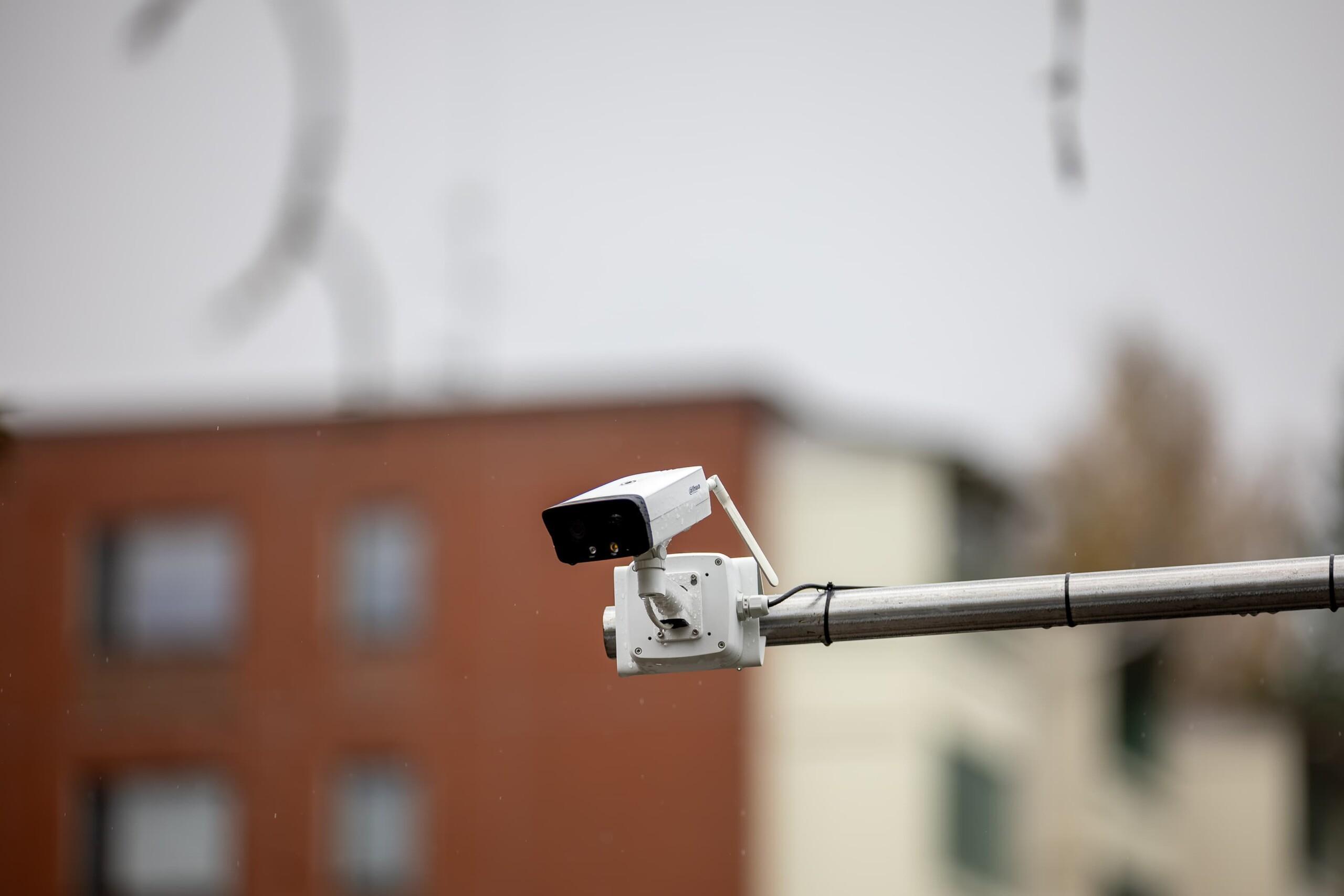
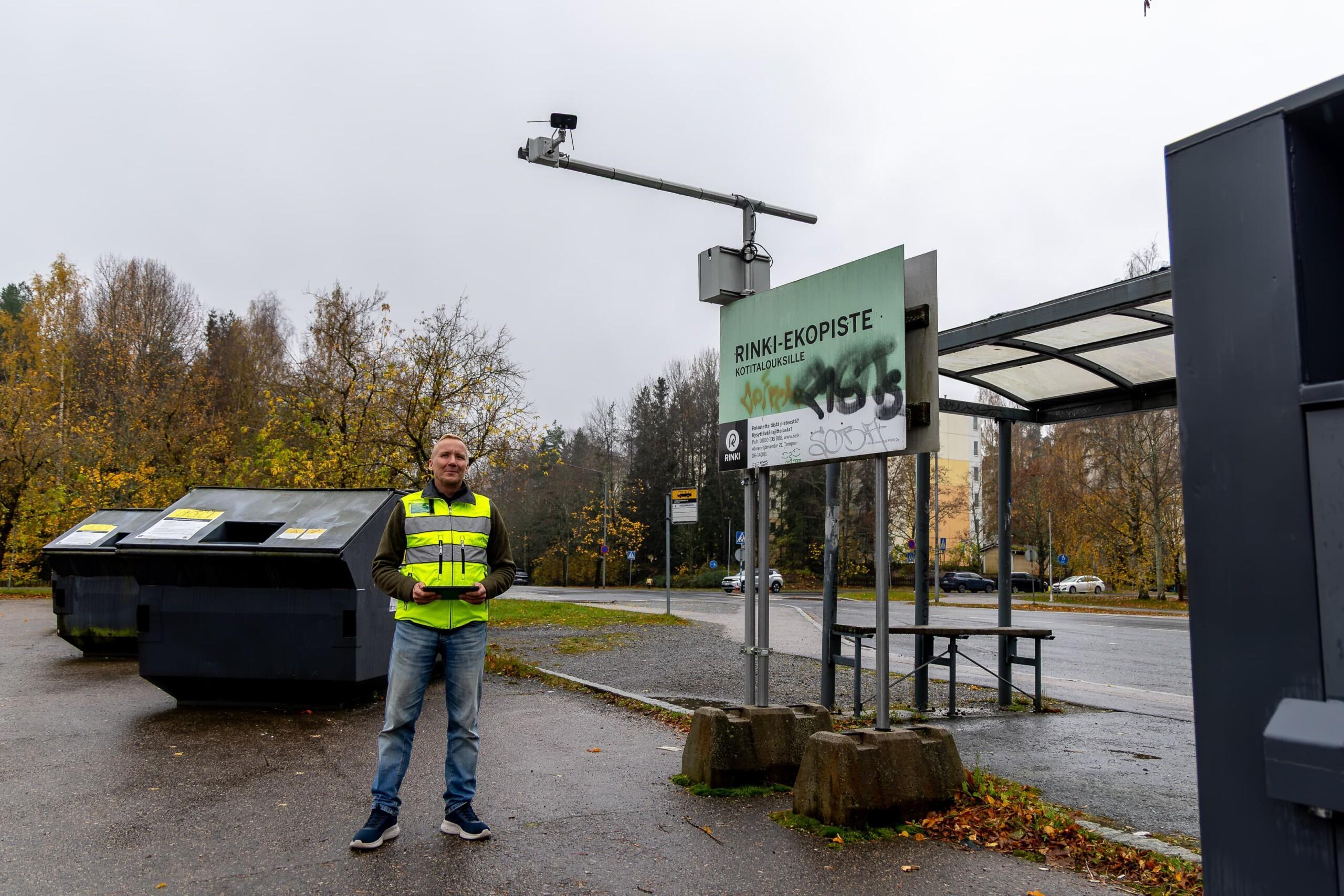
Rinki Oy was looking for a solution to the recurring misuse of recycling points and the challenges posed by littering. In a pilot project launched in collaboration with Veloop, rather than fixed CCTV surveillance, a monitoring solution tailored to Rinki’s needs – which can be moved from one recycling point to another.
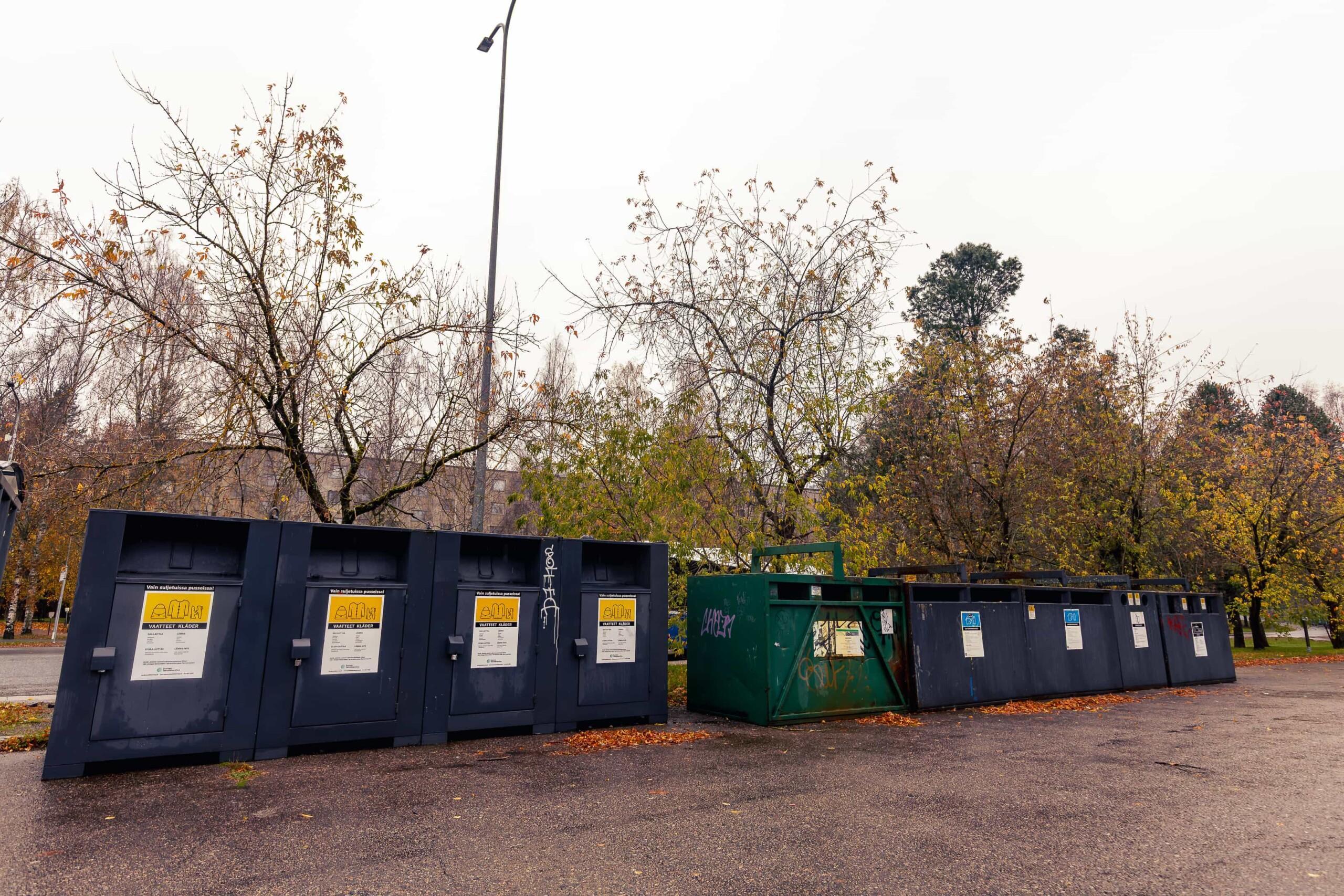
Suomen Pakkauskierrätys RINKI Oy is a service company owned by trade and industry associations, whose most visible activity is its nationwide network of recycling points. Rinki operates around 1,500 of these recycling points, where customers can bring glass, metal, cardboard and plastic packaging.
– The vast majority of recycling points operate without any problems. However, we have identified around 10–15 different recycling points where there is persistent, weekly misuse. This means that items such as electrical equipment, furniture or similar are being brought to them, explains Harri Patana, Rinki’s Regional Manager for Western and Northern Finland.
However, according to Patana, there are not particularly large quantities of incorrectly sorted waste being brought to the recycling centres; rather, the majority of customers know how to sort their waste correctly. Nevertheless, the disposal of incorrect waste streams has a direct impact on the cleanliness of recycling points and the use of staff resources, which is why Rinki sought to find solutions to normalise operations at problematic recycling points.
“Our idea was that once one recycling point had been tidied up, the unit could be dismantled and moved to the next location. Fixed CCTV surveillance might not be suitable for our needs; rather, it is precisely this kind of portable solution that we require.”
During Rinki’s ten years of operation, the idea of CCTV surveillance at recycling points has been considered before, but these plans have not been implemented, for example due to a lack of resources or pricing issues. Furthermore, the only CCTV options available were fixed surveillance units, rather than the portable units that Rinki had primarily been considering.
– Our idea was that once one recycling point had been tidied up, the unit could be dismantled and moved to the next location. Fixed CCTV surveillance might not be suitable for our needs; rather, it is precisely this sort of mobile solution that we require.
Veloop’s initial enquiry also concerned a fixed monitoring unit, but following discussions and in light of the requirements put forward by Rinki, the team decided to put their plans into action and collaborate on piloting a solution involving portable surveillance units. Patana would like to thank Veloop’s project manager, Jukka Saukko, for his proactive approach in demonstrating the CCTV system and his willingness to adapt it to Rinki’s requirements.
– We first investigated what sort of camera, battery and data transmission solution could withstand being moved around and still operate reliably even in locations where there is no mains electricity or internet connection available. Based on this, we developed a pilot scheme in which the monitoring unit can be quickly installed, connected to remote monitoring and moved to the next recycling point as required. The key difference compared to a fixed solution is precisely this flexibility: the investment is not tied to a single location, but monitoring can be directed to wherever disturbances occur at any given time. At the same time, the data gathered from the pilot will help to develop both the technology and the monitoring model before wider roll-out, commented Minna Sipilä, Head of Monitoring at Veloop.
During the initial assessment, Rinki identified suitable sites within its network where the scalable solution could be utilised and tested. The pilot model is also reflected in the project’s costs.
– If we’d only had one or two points, we wouldn’t have considered the trial worthwhile, Patana explains.
The challenges of the pilot are guiding further development
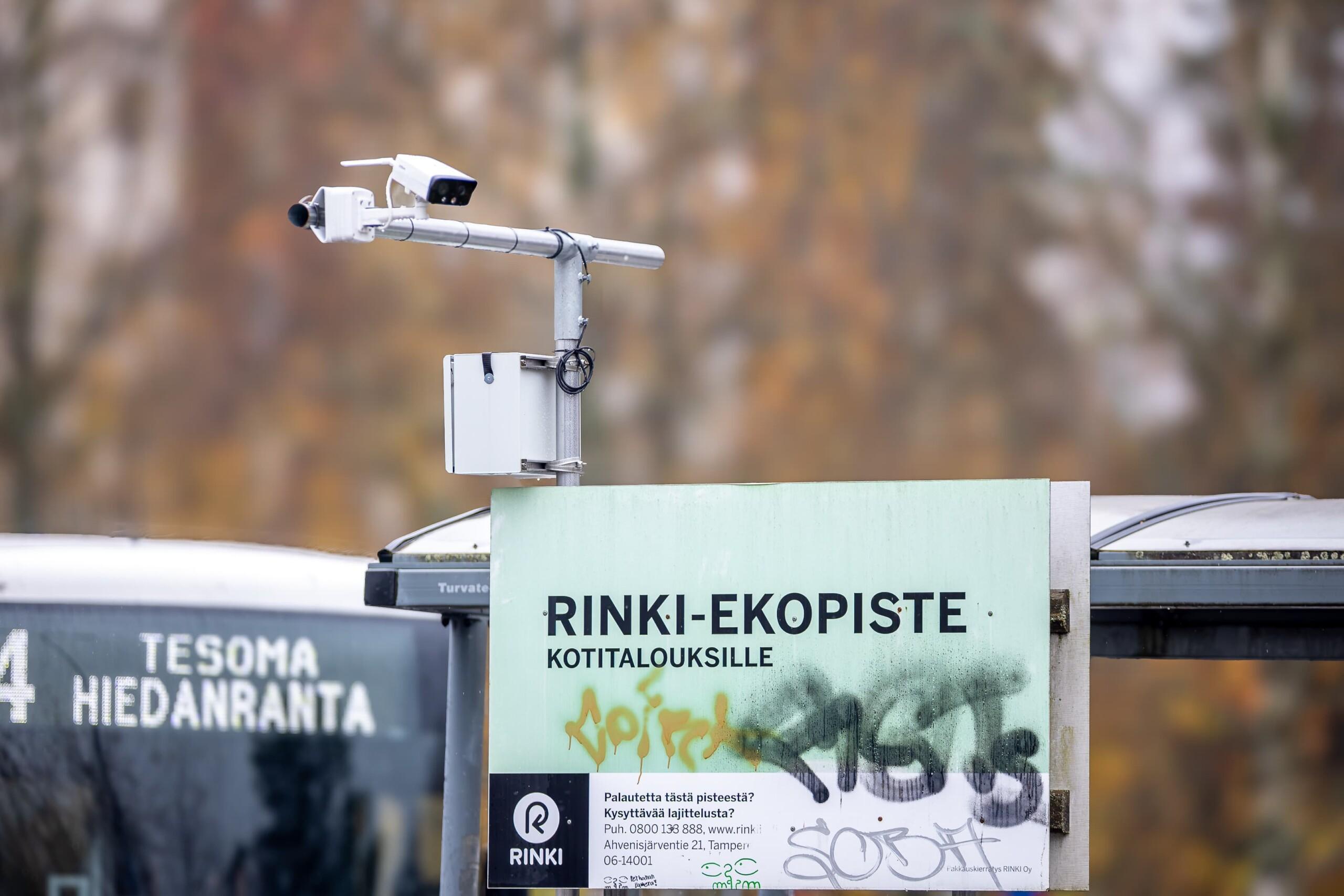
In the pilot project launched in the spring, Veloop has been responsible for its technical implementation and monitoring. Every day, the control centre sends information to Rinki about vehicles and individuals who are disposing of materials that do not belong at the recycling point.
– We’ve managed to organise the battery replacements through our maintenance team. But we wouldn’t have the resources ourselves to monitor the camera feed every day and see what’s happening at the recycling points, so in that sense, this works really well as an outsourced service, Patana says.
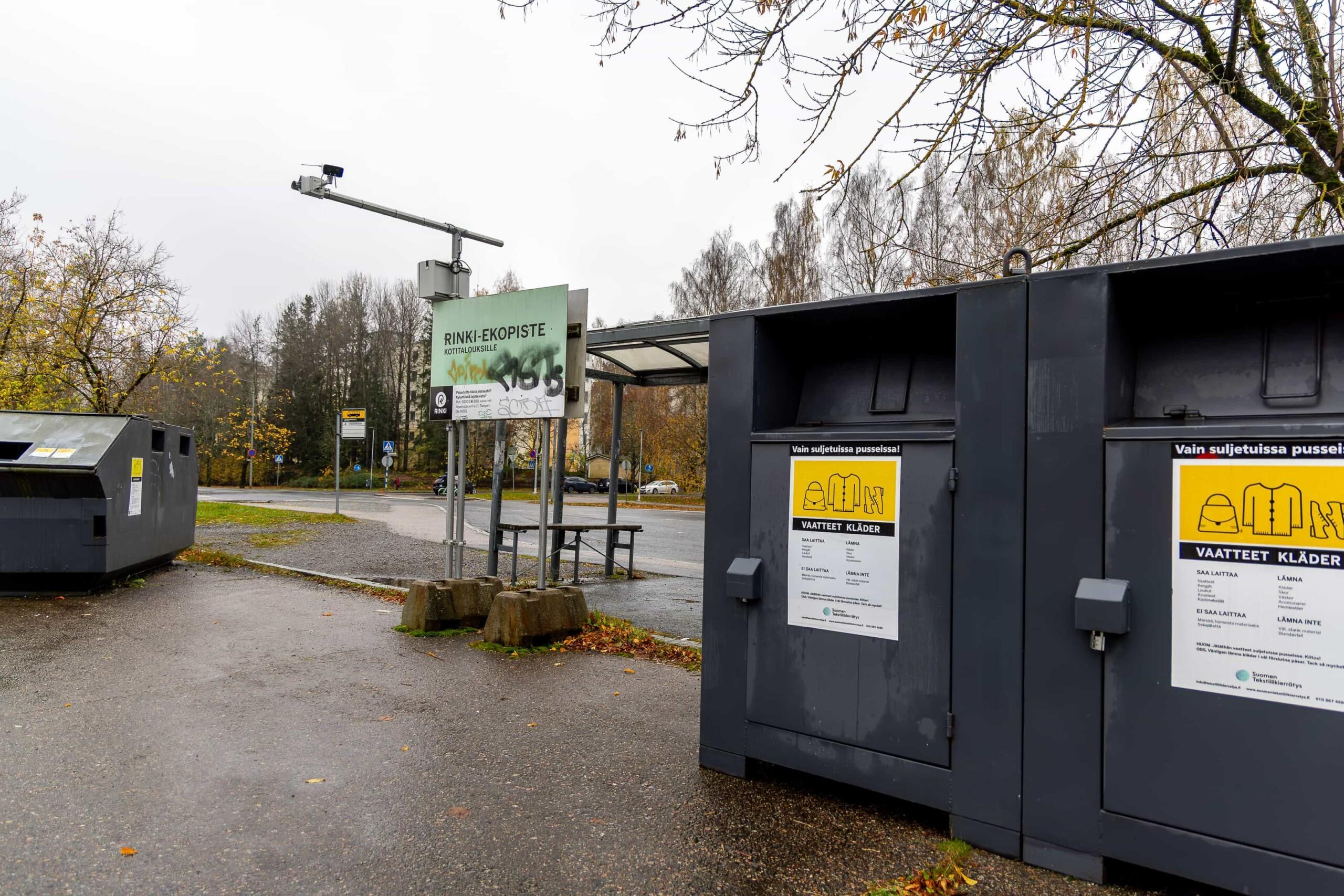
At present, the mobile surveillance solution is in use at two Rinki recycling points in Tampere and Vantaa, which, according to Patana, have been among the locations where there has been persistent disruptive behaviour.
– Through our monitoring, we have sought to create a sort of word-of-mouth warning that sends a message to those who act improperly that they really shouldn’t leave items that don’t belong at the recycling point, as they risk being caught.
A pilot project inevitably involves surprises, and during the collaboration we have indeed encountered a few problems where the solutions have not worked as intended. One unit has experienced interruptions over the summer, which Veloop has attempted to resolve by, amongst other things, encasing the batteries. Furthermore, the positioning of the cameras has not yet been entirely optimal, and around 20 per cent of users have not been recognised.
– Technical reliability can be improved by optimising camera positioning and angles of view, reinforcing the power supply, and utilising motion and vehicle detection, thereby focusing surveillance on relevant events. At the same time, based on observations from the control room and Rinki’s own monitoring data, recurring incidents can be identified and the mobile unit deployed in the most effective way, Sipilä explains.
Problems have also been encountered in reaching those who engage in disruptive behaviour, which was Rinki’s main objective when the pilot project was launched. The pilot therefore aims to work collaboratively to determine how vehicle registration data could be utilised to enable users to be contacted regarding instances of misuse.
– The use of register data still requires a careful definition of a legally compliant operating model, responsibilities and data protection practices. The aim is not merely to detect misconduct, but to build a preventative, scalable and cost-effective service model to meet the needs of the entire eco-point network, Sipilä adds.
Despite the problems, Patana and Rinki are pleased that Veloop is actively developing and refining a new kind of monitoring solution for them too, so that it can deliver the results Rinki is looking for.
– There’ll no doubt be some technical changes to come, and we’ll try out a slightly different model to see how the unit itself works, Patana concludes.
The project in a nutshell
RINKI Oy, the Finnish Packaging Recycling Organisation, manages around 1,500 recycling points nationwide.
Weekly incidents of disruptive behaviour have occurred at 10–15 different recycling points within the network, and the aim was to address this through monitoring.
Instead of permanent CCTV surveillance, the aim was to have a portable and cost-effective surveillance solution that could be used at various recycling points as and when required.
Veloop is responsible for the technology used by the monitoring units and for day-to-day remote monitoring. The pilot project has been running in Tampere and Vantaa.
As the pilot is further developed, the technology, camera angles and recognition accuracy will be examined, and the lawful use of register data will be investigated.


